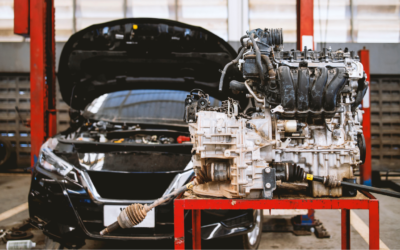
Commercial fleet vehicles require service every 5,000 to 15,000 miles—or every 1 to 3 months—depending on vehicle type, usage intensity, and operating conditions. This preventive maintenance approach works by addressing wear before small issues become costly breakdowns. For businesses that depend on work trucks, vans, and heavy equipment across Utah’s Wasatch Front, understanding proper service intervals means the difference between profitable operations and expensive downtime.
At Utah Mobile Mechanic, we bring shop-quality service directly to your location because we know every hour your vehicle sits idle costs your business money.
Summary
- Commercial fleet vehicles typically need service every 5,000–15,000 miles or monthly/bi-monthly, with exact intervals depending on vehicle class and operating environment
- Unplanned downtime costs fleets $448–$760 per vehicle per day, making preventive maintenance one of the most cost-effective investments a business can make
- Fleets with consistent preventive maintenance programs experience 20–32% fewer unexpected breakdowns and extend vehicle lifespan by up to 20%
- Service intervals should be customized based on manufacturer recommendations and local conditions like Utah’s harsh winters
What Factors Determine Fleet Vehicle Service Frequency
The answer to how often commercial fleet vehicles should be serviced isn’t one-size-fits-all. Several variables influence the ideal maintenance schedule for your specific operation.
Vehicle mileage accumulation is the primary service trigger for most fleets. Light-duty vehicles like work vans typically need basic service every 5,000–7,500 miles, while medium and heavy-duty trucks may follow intervals of 10,000–15,000 miles.
Operating conditions significantly impact wear patterns. Stop-and-go city driving in areas like South Jordan and West Jordan puts more stress on brakes, transmissions, and tires than highway driving. Vehicles that frequently idle accumulate engine wear without adding mileage, making engine-hour tracking essential.
Seasonal factors matter in Utah. Road salt during winter accelerates corrosion on brake systems. Summer heat stresses cooling systems. Smart fleet operators adjust schedules accordingly.
Key Takeaways
- Mileage, engine hours, and time-based intervals all play a role in determining service frequency
- City driving and frequent idling require more frequent maintenance than highway use
- Utah’s climate demands extra attention to cooling systems and corrosion prevention
The Real Cost of Skipping Fleet Maintenance
Delaying scheduled service might seem like a money-saving strategy, but the numbers tell a different story.
Fleet vehicle downtime costs between $448 and $760 per day, per vehicle. For a business with five trucks, a single week of unexpected downtime could mean $15,000 or more in lost productivity. According to industry data, fleets now average 8.7 days of unplanned downtime per vehicle annually.
Maintenance and repair costs increased 11.3% in 2024 compared to 2023. Much of this increase comes from reactive repairs on aging vehicles that missed preventive care windows. Late-lifecycle repairs—engine replacements, transmission rebuilds—are significantly more expensive than routine oil changes.
Fleets that maintain regular inspection cycles reduce unexpected breakdowns by 32% and extend vehicle lifespan by up to 20%. We help businesses across Riverton, Draper, and Herriman avoid these costly surprises through our fleet maintenance services.
Key Takeaways
- Downtime costs range from $448–$760 daily per vehicle
- Maintenance costs have risen significantly, with older vehicles requiring expensive repairs
- Consistent preventive maintenance can reduce breakdowns by 32%
Recommended Service Intervals by Vehicle Type
Different fleet vehicles have distinct maintenance needs. Here’s what we recommend based on industry standards and our experience servicing Utah fleets.
Light-Duty Vehicles (Work Vans, Pickup Trucks)
- Oil changes: Every 5,000–7,500 miles
- Tire rotations: Every 6,000–8,000 miles
- Brake inspections: Every 15,000 miles
- Transmission fluid service: Every 30,000–60,000 miles
Medium and Heavy-Duty Trucks
- Class A inspection (basic safety): Every 5,000–10,000 miles
- Class B service (engine and driveline checks): Every 10,000–20,000 miles
- Class C service (comprehensive with DOT inspections): Annually
Heavy Equipment (Excavators, Skid Steers)
- Engine oil and filter: Every 250–500 operating hours
- Hydraulic system inspection: Monthly
- Complete system check: Quarterly
Key Takeaways
- Light-duty vehicles need oil changes every 5,000–7,500 miles
- Heavy-duty trucks follow tiered PM classes at increasing mileage intervals
- Heavy equipment maintenance tracks by engine hours, not mileage
Building Your Custom Fleet Maintenance Schedule
Creating an effective maintenance program requires a systematic approach.
Step 1: Assess Your Current Fleet Status. Document each vehicle’s current mileage, service history, and known issues.
Step 2: Categorize Vehicles by Usage Type. Group your fleet by how vehicles are used—city delivery, highway transport, job site operations. Each category has different requirements.
Step 3: Establish Service Triggers. Use multiple triggers—mileage, engine hours, and calendar time—to ensure nothing falls through the cracks.
Step 4: Schedule Around Operations. The best time for fleet maintenance is when vehicles aren’t needed. For many clients in the Salt Lake Valley, this means after-hours service visits.
Step 5: Track and Adjust. Monitor which vehicles need repairs between scheduled services and adjust intervals accordingly.
Key Takeaways
- Build your schedule around documented vehicle status and usage patterns
- Use multiple service triggers to catch all maintenance needs
- Schedule service during non-operational hours to eliminate disruption
Why Mobile Fleet Service Makes Sense
The traditional model of driving vehicles to repair shops creates problems for fleet-dependent businesses.
Mobile service eliminates towing costs and reduces total downtime. When a mechanic comes to your location, vehicles stay on your property. There’s no coordinating drop-offs or losing a truck for an entire day.
After-hours service keeps operations running smoothly. Businesses across South Jordan, West Jordan, and the greater Salt Lake area prefer overnight maintenance visits. Vehicles get serviced while the team is off the clock, ready by morning.
A single maintenance partner provides consistency. Working with one provider who knows your vehicles and tracks service history simplifies fleet management.
Key Takeaways
- Mobile service removes towing costs and minimizes time out of service
- After-hours maintenance ensures vehicles are ready each morning
- One maintenance partner provides consistent care and simplified management
Partner With Us for Reliable Fleet Maintenance
Your vehicles are essential to your livelihood—we understand that at Utah Mobile Mechanic. That’s why we built our business around convenience, reliability, and integrity. We come to your location across the Wasatch Front, handle everything from routine oil changes to diesel diagnostics, and do it all without disrupting your operations.
Whether you run a plumbing company in Draper, an electrical contracting business in Herriman, or a construction operation in Riverton, keeping your fleet maintained shouldn’t be another job on your plate. Call us at (801) 631-2186 to discuss your fleet size and service needs.
We offer customized maintenance plans with monthly or bi-monthly visits scheduled around your operations. No towing costs. No waiting rooms. Just reliable service that keeps your business moving.